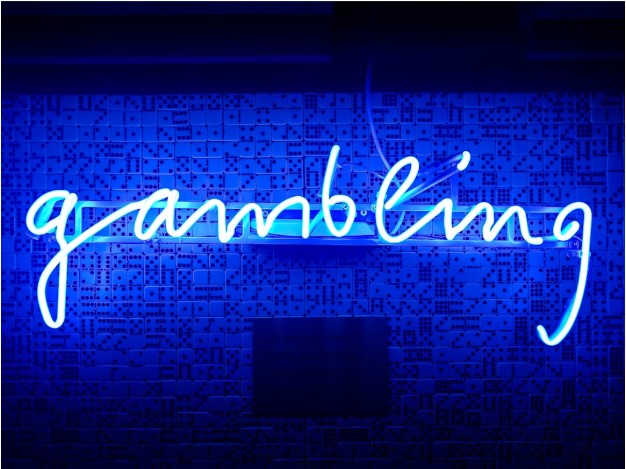
From the bright lights of Las Vegas to the virtual slots on your phone, gambling has always carried a certain appeal. It’s the rush of the unknown, the idea that maybe—just maybe—your next spin, bet, or card could change everything. But beyond the flashing lights and winning streaks, gambling is also a fascinating mirror into how our brains process risk, reward, and randomness.
People don’t just gamble with money—they gamble with emotion, belief, and sometimes, logic that doesn’t quite add up. That’s where it gets interesting.
Why We Love to Gamble
Let’s start with a basic truth: people are drawn to uncertainty. The chance to win something big—especially when the odds are slim—can be incredibly thrilling. It doesn’t matter whether it’s poker, sports betting, roulette, or scratch cards. The structure is always the same: risk something now, maybe gain more later.
For many, gambling is entertainment. It’s a break from routine, a little excitement in the form of a game. But even when it’s fun, gambling has a way of tapping into deeper parts of our psychology, especially the part that thinks it can beat the odds.
Chasing Patterns That Don’t Exist
One of the most common mistakes gamblers make is believing they can predict random events. You might think, “This slot machine hasn’t paid out in a while—it must be due,” or “Black came up five times in a row, so red is next.”
These ideas feel logical, but they’re not. Each spin, roll, or card draw is independent of the last. What happened before doesn’t influence what comes next.
This type of flawed reasoning is known as the gambler’s fallacy. It’s the false belief that past random outcomes can affect future ones. In other words, just because a coin landed on heads five times in a row doesn’t mean it’s “time” for tails.
Our brains are wired to look for patterns—it’s how we make sense of the world. But in gambling, seeing patterns in random events can lead to poor decisions, unnecessary risk, and financial loss.
The Gambler’s Fallacy in Action
Imagine you’re playing roulette. The ball has landed on black eight times in a row. The table crowd is buzzing. “Red is due,” someone whispers. You feel the pull to bet big on red, because surely it can’t be black again.
But it can. And it often is.
That’s the gambler’s fallacy taking hold. And it doesn’t just happen in roulette. It pops up in slot machines, lottery tickets, and even sports betting. The danger is that it convinces players to increase their stakes in hopes of a “guaranteed” correction, when in reality, there’s no such thing.
Understanding this fallacy doesn’t just make you a smarter gambler; it also helps you spot when your emotions are trying to override logic.
Why It’s So Easy to Fall for It
You’d think that knowing the odds would be enough to keep people from falling for the gambler’s fallacy—but it’s not that simple. Even experienced players can catch themselves thinking, “I’m on a losing streak, so a win must be around the corner.”
The fallacy preys on how we emotionally respond to randomness. Humans don’t like unpredictability, especially when money is on the line. So, we search for meaning, even when there isn’t any.
It’s also tied to a sense of control. If you believe a win is “due,” it feels like you’re more in charge of the outcome. That illusion of control can make you take bigger risks than you normally would.
Gambling Smart: Separating Belief from Reality
None of this means you shouldn’t gamble. For many people, it’s a fun hobby that adds a little thrill to their week. But being aware of the psychology behind your decisions can make a big difference in how you play—and how much you spend.
Here are a few ways to keep your gambling habits healthy:
- Set a budget before you play, and don’t exceed it—no matter what.
- Take breaks to reset your perspective and avoid emotional decisions.
- Treat each bet as independent. Past outcomes don’t shape future ones.
- Avoid chasing losses. Trying to “win back” money you’ve lost often leads to losing more.
- Know the odds. Understanding the actual math behind games gives you a clearer picture of what’s realistic.
The more you understand the way your brain approaches chance, the easier it is to step back and make rational choices.
Gambling Isn’t Just About Luck—It’s About Mindset
At the end of the day, gambling taps into deep parts of human behavior. It’s not just about money or games—it’s about how we handle risk, how we cope with loss, and how we interpret randomness. The more aware you are of those mental traps—like the gambler’s fallacy—the better you’ll be at staying in control.
Whether you’re spinning the reels or placing a bet on your favorite team, the key is to stay grounded. Know when you’re playing for fun and when you’re chasing a feeling. The difference might save you more than just your wallet—it might protect your peace of mind, too.
So next time you feel that urge to double down because “a win is coming,” pause for a second. Ask yourself: Is it due? Or is your brain just trying to make sense of something truly random?